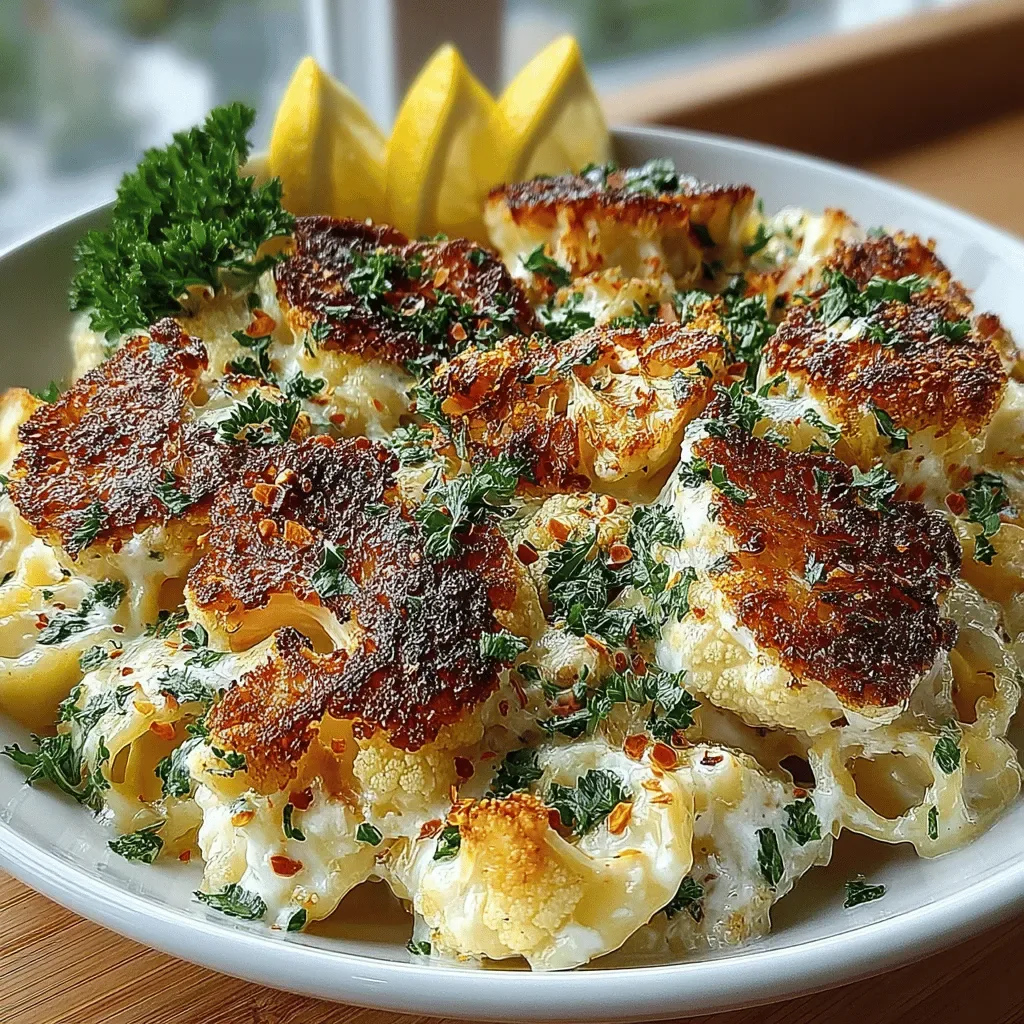
It was a chilly Saturday evening in late October, the kind where the wind whistles through the cracked windows and the house smells faintly of fallen leaves and woodsmoke. I was hunched over the kitchen island, stirring a pot of simmering tomato soup, when my teenage son burst in, cheeks flushed from a quick game of basketball, shouting, “Mom, I’m starving!” I glanced at the clock—dinner was still an hour away, but the look on his face told me I needed something fast, comforting, and utterly indulgent. That’s when the idea struck: why not pull out the trusty crockpot, toss in some pasta, cheese, and a few pantry staples, and let it work its magic while we finish the homework and set the table?
The moment you lift the lid, a cloud of fragrant steam hits you—a buttery, cheesy haze that swirls with a faint tang of Dijon mustard, promising a melt-in-your-mouth experience. The elbow macaroni, perfectly cooked al dente, has already absorbed the creamy sauce, each curve hugging a glossy coating of cheddar and Monterey Jack. You hear the faint sizzle as the butter melts, the subtle pop of bubbling cheese, and the comforting hum of the crockpot ticking away. It’s a symphony of sounds that tells you you’re about to dive into pure comfort, the kind that feels like a warm hug from the inside out.
What makes this recipe truly stand out is its balance of simplicity and depth. I’ve spent years tweaking my mac and cheese, trying to find that sweet spot where the sauce is velvety, the cheese flavor is bold, and the texture isn’t dry or gummy. The secret? A combination of whole milk for richness, a dash of Dijon for a surprising kick, and the perfect ratio of sharp cheddar to Monterey Jack for that melt‑in‑your‑mouth stretch. And the best part? You can set it and forget it, letting the crockpot do the heavy lifting while you relax, prep a side salad, or binge‑watch your favorite show.
But wait—there’s a hidden trick in step four that will transform your sauce from good to legendary. I’ll reveal that little secret later, and trust me, you’ll want to bookmark this recipe for every cozy night ahead. Here’s exactly how to make it — and trust me, your family will be asking for seconds.
🌟 Why This Recipe Works
- Flavor Depth: The blend of sharp cheddar and Monterey Jack creates layers of flavor, from tangy and robust to buttery and mellow, ensuring each bite is a burst of cheesy goodness.
- Silky Texture: Whole milk and butter combine to form a luxuriously smooth sauce that clings to every elbow, preventing the dreaded gritty feel that cheap mac and cheese sometimes has.
- Hands‑Free Cooking: Using a crockpot means you can set it and walk away, freeing up your stove for side dishes or simply giving you time to unwind.
- Time Efficiency: With only 15 minutes of prep and a 30‑minute cook, this dish fits perfectly into busy weeknights or lazy weekends without sacrificing taste.
- Versatility: The base recipe is a canvas—add bacon, jalapeños, or even roasted veggies for a personalized twist that suits any palate.
- Nutrition Boost: Using whole milk and real cheese provides calcium and protein, making this comfort food a bit more nourishing than its boxed counterparts.
- Ingredient Quality: Each component, from the sharp cheddar to the Dijon mustard, is chosen for its ability to elevate the dish without overwhelming the natural flavors.
- Crowd‑Pleaser Factor: The familiar, cheesy aroma draws everyone to the table, making it an instant hit at family gatherings, potlucks, or game nights.
🥗 Ingredients Breakdown
The Foundation
Elbow Macaroni: Use about 2 cups of uncooked elbow macaroni for that classic shape that holds onto the cheese perfectly. The little bends act like tiny bowls, capturing every drop of the creamy sauce. If you prefer a different shape, penne or shells work well, but elbows are the gold standard for comfort. When selecting pasta, look for a sturdy brand that won’t turn mushy after the slow cook.
Cheese Trio
Sharp Cheddar Cheese: Approximately 3 cups shredded sharp cheddar will give your mac and cheese its signature flavor. The sharpness cuts through the richness, providing a bright, tangy note that keeps the dish from feeling one‑dimensional. Opt for a cheddar that’s aged at least 12 months for maximum depth. If you can’t find sharp, a mix of medium cheddar and a splash of grated Parmesan works as a fallback.
Monterey Jack Cheese: About 2 cups shredded Monterey Jack adds creaminess and melty goodness to the mix. Its mild, buttery profile balances the sharp cheddar, ensuring each bite is silky rather than gritty. For a subtle twist, try pepper Jack for a hint of spice, but remember to adjust the salt accordingly.
The Creamy Base
Milk: Use about 4 cups of whole milk for that rich consistency; it really makes all the difference. Whole milk brings a natural sweetness and body that low‑fat milks can’t match, resulting in a sauce that coats the pasta like a dream. If you’re dairy‑sensitive, you can substitute with a 2% milk plus a splash of heavy cream, but keep the total volume the same.
Butter: About half a cup of unsalted butter brings richness and depth to the dish. Butter not only adds flavor but also helps emulsify the cheese and milk, preventing separation. For a healthier twist, you can replace half the butter with olive oil, though you’ll lose a bit of that classic buttery aroma.
Flavor Boosters
Dijon Mustard: Just a tablespoon gives an unexpected kick that balances the creaminess beautifully. The mustard’s subtle acidity lifts the sauce, preventing it from feeling overly heavy. If you don’t have Dijon, a teaspoon of whole grain mustard works, but the flavor will be slightly more textured.
Salt and Pepper: Season to taste, but don’t be shy—these two are essential for bringing out all those delicious flavors! A pinch of flaky sea salt adds a burst of flavor, while freshly cracked black pepper adds a gentle heat. Taste the sauce before serving and adjust as needed.
When shopping, choose cheese that’s freshly shredded rather than pre‑shredded, which often contains anti‑caking agents that can affect texture. Look for butter that’s creamy and free of any off‑flavors; a quick sniff will tell you if it’s still fresh. And don’t forget to give the milk a quick shake before measuring—sometimes it separates in the fridge. With your ingredients prepped and ready, let's get cooking. Here’s where the fun really begins...
🍳 Step-by-Step Instructions
Begin by greasing the inside of your crockpot with a thin layer of butter. This not only prevents sticking but also adds an extra layer of flavor as the butter melts into the sauce. As the butter spreads, you’ll notice a faint, nutty aroma that hints at the richness to come. Let the butter melt completely, then set the crockpot to the “low” setting while you move on to the next step.
In a large mixing bowl, combine the uncooked elbow macaroni with the 4 cups of whole milk. Stir until the pasta is evenly submerged. The milk should coat each piece, ensuring an even cook and preventing any dry spots. This is the moment where the pasta starts to soak up that creamy goodness, and you’ll see tiny bubbles forming on the surface—signs that the milk is warm but not yet boiling.
Add the shredded sharp cheddar and Monterey Jack cheeses to the bowl, sprinkling them evenly over the milk‑pasta mixture. Then, fold in the tablespoon of Dijon mustard, a pinch of salt, and a generous grind of black pepper. The mustard’s tang will cut through the richness, creating a balanced flavor profile. Give everything a gentle stir, making sure the cheese begins to melt slightly from the warm milk—this pre‑melting step helps avoid clumps later.
Transfer the entire mixture into the prepared crockpot, spreading it out so the pasta is in an even layer. This ensures uniform cooking and prevents pockets of dry pasta. Cover the crockpot and set it to “high” for 30 minutes, stirring once halfway through. Here’s where the secret trick comes in: after the 15‑minute mark, add the remaining half cup of butter in small cubes, letting it melt slowly into the sauce. This staged butter addition creates a glossy finish and prevents the sauce from separating.
After the 30‑minute high‑heat phase, switch the crockpot to the “low” setting and let it continue cooking for another 15 minutes. During this time, the sauce will thicken, and the pasta will reach the perfect al‑dente bite. You’ll notice the edges of the mac and cheese start to bubble gently—a sign that the cheese has fully integrated with the milk.
Once the timer dings, give the mac and cheese a final stir, scraping the bottom to incorporate any caramelized bits. Taste and adjust the seasoning—perhaps a pinch more salt or a dash of pepper. The aroma at this stage should be intoxicating: buttery, cheesy, with a whisper of mustard that makes your mouth water.
Serve hot, directly from the crockpot, or transfer to a serving dish for a more formal presentation. If you like a crispy top, sprinkle a handful of extra shredded cheese and place the dish under a broiler for 2‑3 minutes until golden and bubbling. The result? A comforting, oozy bowl of mac and cheese that feels like a warm blanket on a cold night.
And there you have it! But before you dig in, let me share some tips that will take this from great to absolutely unforgettable...
🔐 Expert Tips for Perfect Results
The Taste Test Trick
Before sealing the crockpot, take a tiny spoonful of the sauce and let it cool for a few seconds. This mini‑taste test lets you gauge the balance of salt, pepper, and mustard. If the flavor feels flat, a pinch more salt or a dash of smoked paprika can bring it to life. Trust me, a quick taste early on saves you from a bland final product.
Why Resting Time Matters More Than You Think
Once the cooking cycle is complete, let the mac and cheese sit, covered, for five minutes. This resting period allows the sauce to thicken further and the pasta to absorb any remaining liquid. The result is a creamier bite that doesn’t slide off the fork. I once served it immediately and the sauce was runny—after the rest, it transformed into a perfect velvety coating.
The Seasoning Secret Pros Won’t Tell You
A sprinkle of smoked sea salt right before serving adds a subtle smoky depth that pairs beautifully with the sharp cheddar. It’s a tiny addition that makes a massive difference, especially if you’re serving this at a dinner party. The smoky notes echo the caramelized butter you added earlier, creating a harmonious flavor loop.
Cheese Melting Mastery
Grate your cheese fresh and add it in two stages: half at the beginning to create the base sauce, and the remaining half at the end for that glossy, stretchy finish. This technique prevents the cheese from clumping and ensures a smooth, glossy sauce that looks as good as it tastes. I discovered this after a disastrous batch where the cheese turned grainy—now I never skip the two‑step addition.
The Butter Boost
Adding butter in small cubes throughout the cooking process, as mentioned in step four, creates layers of richness. Each cube melts slowly, enriching the sauce without overwhelming it. If you’re looking for an extra indulgent version, finish the dish with a tablespoon of truffle butter—just a dab will elevate the flavor to restaurant quality.
🌈 Delicious Variations to Try
One of my favorite things about this recipe is how versatile it is. Here are some twists I've tried and loved:
Bacon‑Infused Bliss
Crumble 4‑5 strips of crispy bacon and fold them in just before serving. The smoky, salty crunch pairs perfectly with the creamy cheese, adding a hearty dimension that kids adore. If you’re vegetarian, swap bacon for smoked tempeh for a similar depth.
Spicy Jalapeño Kick
Dice 2 fresh jalapeños (seeds removed for less heat) and stir them into the sauce during the high‑heat phase. The peppery heat lifts the richness, creating a balanced spicy‑cheesy experience. Serve with a dollop of sour cream to mellow the heat if desired.
Herb Garden Delight
Add a handful of chopped fresh herbs—such as parsley, chives, or thyme—right after the cooking cycle ends. The fresh herbs brighten the dish, cutting through the richness and adding a fragrant finish. This variation is perfect for spring gatherings when herbs are at their peak.
Roasted Veggie Medley
Roast a mix of cauliflower florets, broccoli crowns, and diced carrots with olive oil, salt, and pepper. Toss the veggies into the mac and cheese just before serving for a nutritious boost and a pleasant bite. The caramelized edges of the veggies add a sweet‑savory contrast.
Four‑Cheese Fantasy
Swap half of the Monterey Jack for Gruyère and the other half for mozzarella. This blend creates a richer, more complex flavor profile with an extra stretchiness from the mozzarella. Be mindful of the salt levels, as Gruyère is naturally salty.
Truffle‑Infused Luxury
Stir in a teaspoon of truffle oil or a small drizzle of truffle butter just before serving. The earthy aroma turns an everyday comfort food into a gourmet experience—perfect for a special dinner or when you simply want to treat yourself.
📦 Storage & Reheating Tips
Refrigerator Storage
Allow the mac and cheese to cool to room temperature before transferring it to an airtight container. It will keep well for up to 4 days in the fridge. When storing, place a thin layer of butter on top to prevent a skin from forming, preserving the creamy texture.
Freezing Instructions
Portion the leftovers into freezer‑safe bags or containers, leaving a little headspace for expansion. Freeze for up to 3 months. To reheat, thaw overnight in the refrigerator, then warm gently on the stovetop with a splash of milk, stirring until the sauce regains its silkiness.
Reheating Methods
For microwave reheating, cover the bowl with a damp paper towel and heat in 30‑second intervals, stirring each time. For stovetop reheating, place the mac and cheese in a saucepan over low heat, adding a quarter cup of milk and stirring continuously. The trick to reheating without drying it out? A splash of milk or a dollop of butter restores the luscious mouthfeel.