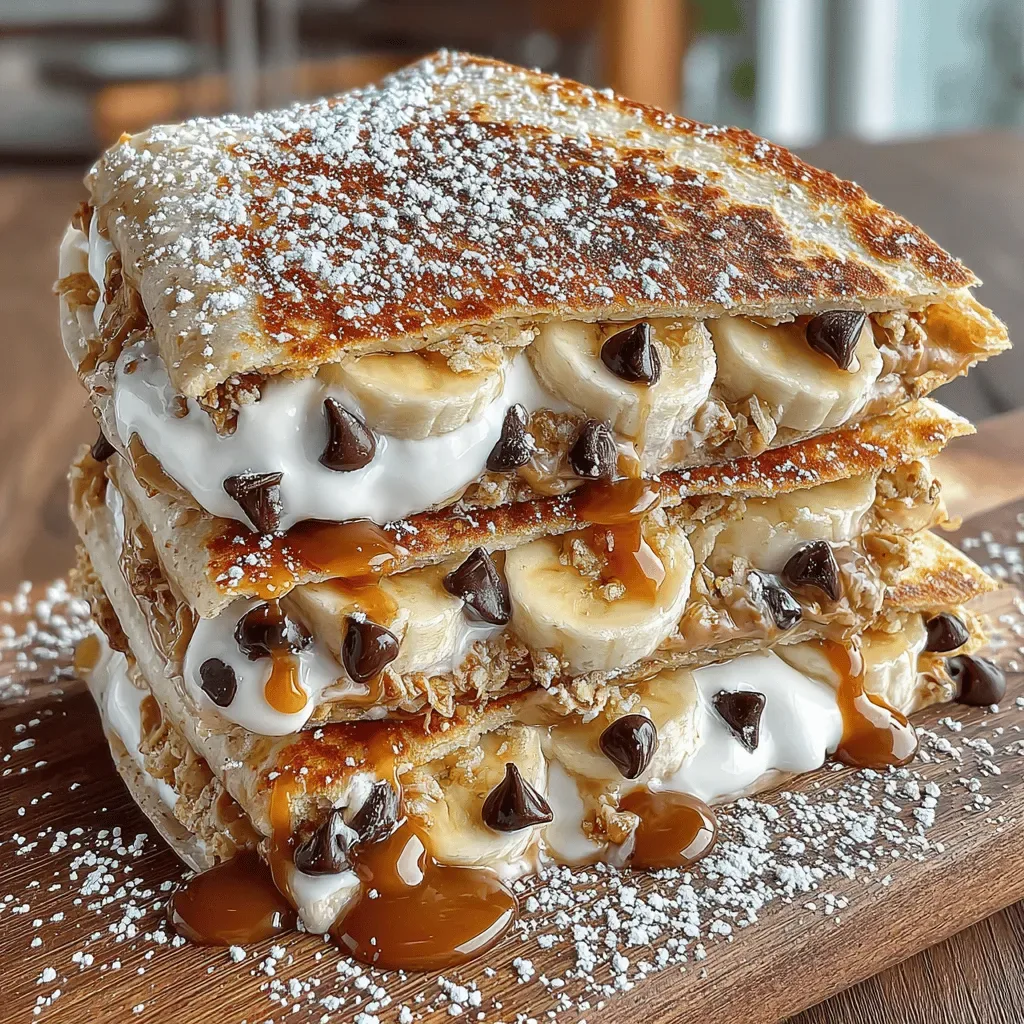
It was a rainy Saturday morning when I first stumbled upon the idea of turning a humble slice of bread into something that feels like a warm hug from the inside out. I remember the kitchen smelling of freshly brewed coffee, the soft patter of droplets against the window, and the faint crackle of butter sizzling in the pan. As the steam rose, I could see the golden edges of the toast forming, and the moment I spread that silky dollop of ricotta, the whole room seemed to inhale the creamy aroma. That simple, unpretentious combination of egg and ricotta on toast became an instant family favorite, a dish that could turn a lazy brunch into a celebration.
What makes this Egg and Ricotta Toast stand out isn’t just the ingredients—it’s the way they come together to create layers of flavor that surprise you with every bite. The ricotta adds a cloud‑like richness while the egg brings a buttery silkiness that coats the toast like a buttery sunrise. A pinch of salt and pepper awakens the palate, and a drizzle of olive oil adds that subtle fruitiness that ties everything together. And if you’re feeling adventurous, a sprinkle of fresh herbs adds a pop of color and a burst of garden‑fresh fragrance that makes the dish feel elevated without any fuss.
But wait—there’s a secret trick that takes this toast from “good” to “wow, I need this every day.” It’s something I learned after a few trial runs, and it’s the little detail that makes the egg’s whites set perfectly while the yolk stays gloriously runny. I’ll reveal that in step four of the instructions, so keep reading! Trust me, once you master that, you’ll never go back to ordinary toast again.
Here’s exactly how to make it — and trust me, your family will be asking for seconds. Grab your favorite bread, a few fresh eggs, and a tub of ricotta, and let’s dive into a breakfast that feels like a cozy weekend ritual with a touch of gourmet flair. Ready? Let’s get started.
🌟 Why This Recipe Works
- Flavor Depth: The combination of ricotta’s mild, milky sweetness with the savory richness of a perfectly cooked egg creates a balanced flavor profile that satisfies both sweet and savory cravings.
- Texture Harmony: The crisp, toasted bread provides a crunchy contrast to the creamy ricotta and the silky egg, delivering a satisfying bite every time.
- Ease of Execution: With just a handful of pantry staples and a few minutes of active cooking, this dish is approachable for cooks of any skill level.
- Time Efficiency: The total prep and cook time stays under an hour, making it perfect for busy mornings or a quick weekend brunch.
- Versatility: You can easily adapt the recipe with herbs, spices, or even a dash of hot sauce to suit any flavor mood.
- Nutrition Boost: Ricotta provides calcium and protein, while eggs add essential amino acids, making this toast a wholesome start to the day.
- Ingredient Quality: Using fresh, high‑quality bread and creamy ricotta elevates the dish without needing exotic ingredients.
- Crowd‑Pleasing Factor: Its simple yet elegant presentation makes it a hit for both kids and adults, turning a regular breakfast into a special occasion.
🥗 Ingredients Breakdown
The Foundation: Bread & Olive Oil
The bread you choose sets the stage for the entire dish. A sturdy, slightly sourdough or a rustic country loaf holds up well to the moisture of ricotta and the weight of the egg without falling apart. If you opt for a softer white bread, be sure to toast it a little longer to achieve that satisfying crunch. As for the olive oil, I always reach for a good‑quality extra‑virgin version; its peppery notes amplify the richness of the ricotta and add a glossy finish. The oil also helps the bread develop those golden, caramelized edges that make the first bite unforgettable.
The Stars: Eggs & Ricotta
Eggs are the heart of this toast, and their freshness makes all the difference. A farm‑fresh egg will have a brighter yolk and firmer whites, which means a more vibrant color and a richer taste. When you crack the egg onto the ricotta‑laden toast, the heat from the pan gently cooks the whites while the yolk stays luscious, creating a beautiful contrast. Ricotta, on the other hand, brings a cloud‑like softness that spreads easily, and its mild flavor lets the egg shine without overwhelming it. If you’re looking for a slightly tangier note, you can swap half the ricotta for cottage cheese, but the classic version stays true to its creamy roots.
Aromatics & Seasonings: Salt, Pepper & Fresh Herbs
Seasoning is where you turn a good dish into a great one. A pinch of sea salt lifts the flavors, while freshly cracked black pepper adds a subtle heat that awakens the palate. Optional fresh herbs—like chives, parsley, or basil—bring a burst of green freshness and a pop of color that makes the plate look as good as it tastes. I love sprinkling a little chopped chive just before serving; it adds a delicate oniony note that complements the ricotta beautifully. Remember, the key is to season lightly at each stage so the flavors build gradually.
The Secret Weapons: Optional Add‑Ons
While the core recipe shines on its own, a few optional ingredients can elevate it to new heights. A drizzle of truffle oil adds an earthy luxury, while a pinch of smoked paprika introduces a gentle smoky undertone that pairs beautifully with the creamy ricotta. For a touch of sweetness, a few thin slices of fresh figs or a drizzle of honey can create a delightful sweet‑savory balance. These additions are perfect for weekend brunches when you want to impress guests without spending hours in the kitchen. The beauty of this recipe is that you can experiment freely, but the base version remains a timeless classic.
With your ingredients prepped and ready, let's get cooking. Here's where the fun really begins...

🍳 Step-by-Step Instructions
Heat a large non‑stick skillet over medium heat and add a generous drizzle of olive oil, just enough to coat the bottom. As the oil shimmers, you’ll notice a faint, nutty aroma that signals it’s ready for the bread. Place the two slices of bread into the pan, pressing them gently with a spatula. Let them toast for about 2‑3 minutes on each side, or until they turn a deep golden brown with crispy edges. The sound of the bread sizzling is the first hint that you’re on the right track.
While the bread is toasting, crack the two eggs into a small bowl, being careful not to break the yolks. Add a pinch of salt and pepper directly into the bowl and give the eggs a quick whisk—just enough to blend the whites and yolks without turning them into a frothy scramble. This step ensures even seasoning throughout the dish and helps the whites set uniformly when they hit the pan.
Once the bread is toasted, carefully push the slices to one side of the pan, creating a little space for the eggs. Pour the seasoned eggs onto the cleared area, letting them sizzle softly. As the whites begin to set, use a spatula to gently nudge the edges, allowing uncooked liquid to flow underneath. This technique ensures the eggs cook evenly without over‑cooking the yolks. When the whites are mostly set but the yolks are still glossy, you’re ready for the next step.
Now comes the creamy moment: spoon the ¼ cup of ricotta cheese evenly over each slice of toast, spreading it with the back of the spoon until the surface is fully covered. The ricotta should be at room temperature for easy spreading; if it’s too cold, give it a quick stir to soften. As the ricotta meets the warm toast, you’ll notice it melt slightly, creating a luscious, velvety base that hugs the bread.
When the eggs are just about done, slide the toast back into the pan, positioning each slice beneath an egg. Let the heat finish cooking the whites while the yolk rests on top of the ricotta, allowing the yolk to seep into the cheese with every bite. You’ll see the edges of the egg whites turn opaque and the yolk start to thicken just a touch—this is the moment where texture magic happens.
Remove the pan from the heat and gently transfer each toast‑egg combo onto a serving plate. Finish with an extra drizzle of olive oil, a final grind of black pepper, and, if you like, a sprinkling of optional fresh herbs. The dish should look glossy, with the yolk shining like a golden sun over the creamy ricotta. Let the toast rest for a minute so the flavors meld together—this short pause makes every bite more harmonious.
Go ahead, take a taste — you’ll know exactly when it’s right. The first bite should deliver a crisp crunch, followed by the silky ricotta and the luscious egg yolk that pools into a buttery sauce. If the texture feels a touch too firm, a quick splash of olive oil can re‑lubricate the surface. Serve immediately while everything is still warm, and watch as your family or guests reach for seconds without hesitation.
And there you have it! But before you dig in, let me share some tips that will take this from great to absolutely unforgettable...
🔐 Expert Tips for Perfect Results
The Taste Test Trick
Before you commit the whole batch, take a tiny bite of the ricotta spread on plain toast. This quick test tells you if the seasoning needs a pinch more salt or pepper. I once served a batch that was a shade too bland because I skipped this step, and the feedback was immediate. Adjusting at the tasting stage saves you from a whole‑plate disappointment later.
Why Resting Time Matters More Than You Think
After assembling the toast, let it sit for about 60 seconds before serving. This short rest allows the ricotta to absorb a little of the egg’s warmth, creating a cohesive mouthfeel. I discovered this trick when I was in a rush and served the toast straight from the pan; the ricotta was too stiff and the experience felt disjointed. A brief pause makes the textures meld beautifully.
The Seasoning Secret Pros Won’t Tell You
A dash of flaky sea salt on top just before serving adds a burst of crunch and a flavor pop that regular salt can’t match. This tiny detail is what many professional chefs use to finish dishes, and it makes the toast feel restaurant‑quality. I tried it once for a brunch gathering, and the guests kept asking what the “magic” was. It’s the tiny things that elevate a simple dish.
Choosing the Right Pan
A heavy‑bottomed non‑stick skillet distributes heat evenly, preventing hot spots that can burn the bread before the egg sets. I once used a thin aluminum pan and ended up with a burnt bottom and undercooked egg whites. Investing in a good skillet pays off in consistency and flavor.
The Power of Fresh Herbs
Fresh herbs are not just a garnish; they are flavor carriers. Adding them at the very end preserves their bright, grassy notes, while adding them too early can mute their aroma. I’ve experimented with dill, thyme, and even mint, each giving the toast a distinct personality. The best part? You can tailor the herb choice to the season or your personal preference.
Temperature Control for Perfect Yolks
If you love runny yolks, keep the pan at a gentle simmer rather than a full boil. This controlled heat lets the whites set while the yolk remains luxuriously liquid. I once tried to speed up the process by cranking the heat, and the yolk turned into a solid gold disc—definitely not the texture I was aiming for. Patience truly is a virtue here.
🌈 Delicious Variations to Try
One of my favorite things about this recipe is how versatile it is. Here are some twists I've tried and loved:
Mediterranean Sunshine
Swap the plain ricotta for a mixture of ricotta and crumbled feta, then top with sun‑dried tomatoes and a sprinkle of oregano. The salty feta pairs beautifully with the sweet tomatoes, creating a bright, Mediterranean‑inspired bite that feels like a mini vacation on a plate.
Spicy Kick
Add a dash of crushed red pepper flakes to the ricotta before spreading, and finish with a drizzle of sriracha on the yolk. The heat cuts through the creaminess, giving the toast an exciting zing that wakes up the palate.
Herb Garden Delight
Mix finely chopped chives, parsley, and basil into the ricotta, and garnish with a few extra herb leaves. This herb‑infused version bursts with fresh, green flavors that are perfect for spring brunches.
Sweet & Savory Fusion
Top the ricotta with thin slices of ripe peach or fig, then sprinkle a pinch of cinnamon and a drizzle of honey. The sweet fruit complements the savory egg, creating a delightful contrast that’s perfect for a leisurely weekend.
Umami Boost
Add a spoonful of miso paste into the ricotta and sprinkle toasted sesame seeds on top. The umami depth from the miso transforms the dish into a sophisticated, Asian‑inspired toast that’s surprisingly comforting.
Cheesy Overload
Mix grated Parmesan and a touch of mozzarella into the ricotta for a gooey, cheesy variation. When the egg finishes cooking, the cheese stretches delightfully, giving you that indulgent pull‑apart experience.
📦 Storage & Reheating Tips
Refrigerator Storage
If you have leftovers, let the toast cool completely before placing it in an airtight container. It will keep fresh in the fridge for up to 2 days. To prevent the bread from becoming soggy, store the ricotta spread in a separate small container and re‑assemble before reheating.
Freezing Instructions
For longer storage, wrap each assembled toast tightly in plastic wrap and then place them in a freezer‑safe bag. They’ll freeze well for up to 1 month. When you’re ready to enjoy them, thaw overnight in the fridge and then follow the reheating instructions below.
Reheating Methods
The trick to reheating without drying it out? A splash of olive oil and a quick pass in a preheated skillet over medium heat for 2‑3 minutes per side. This revives the crispness of the bread while gently warming the ricotta and egg. If you’re in a hurry, a 30‑second burst in the microwave works, but the texture won’t be as crisp.